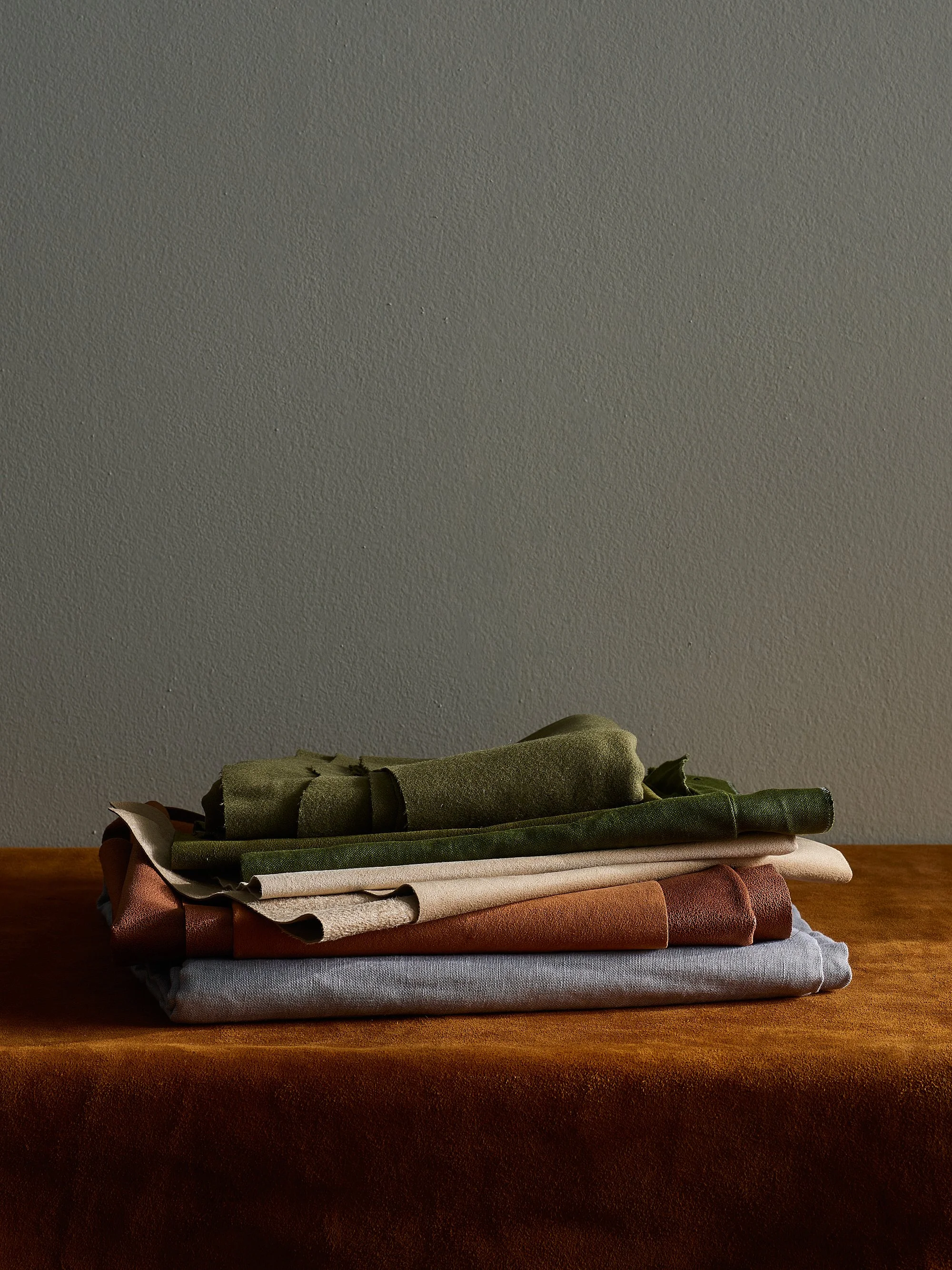
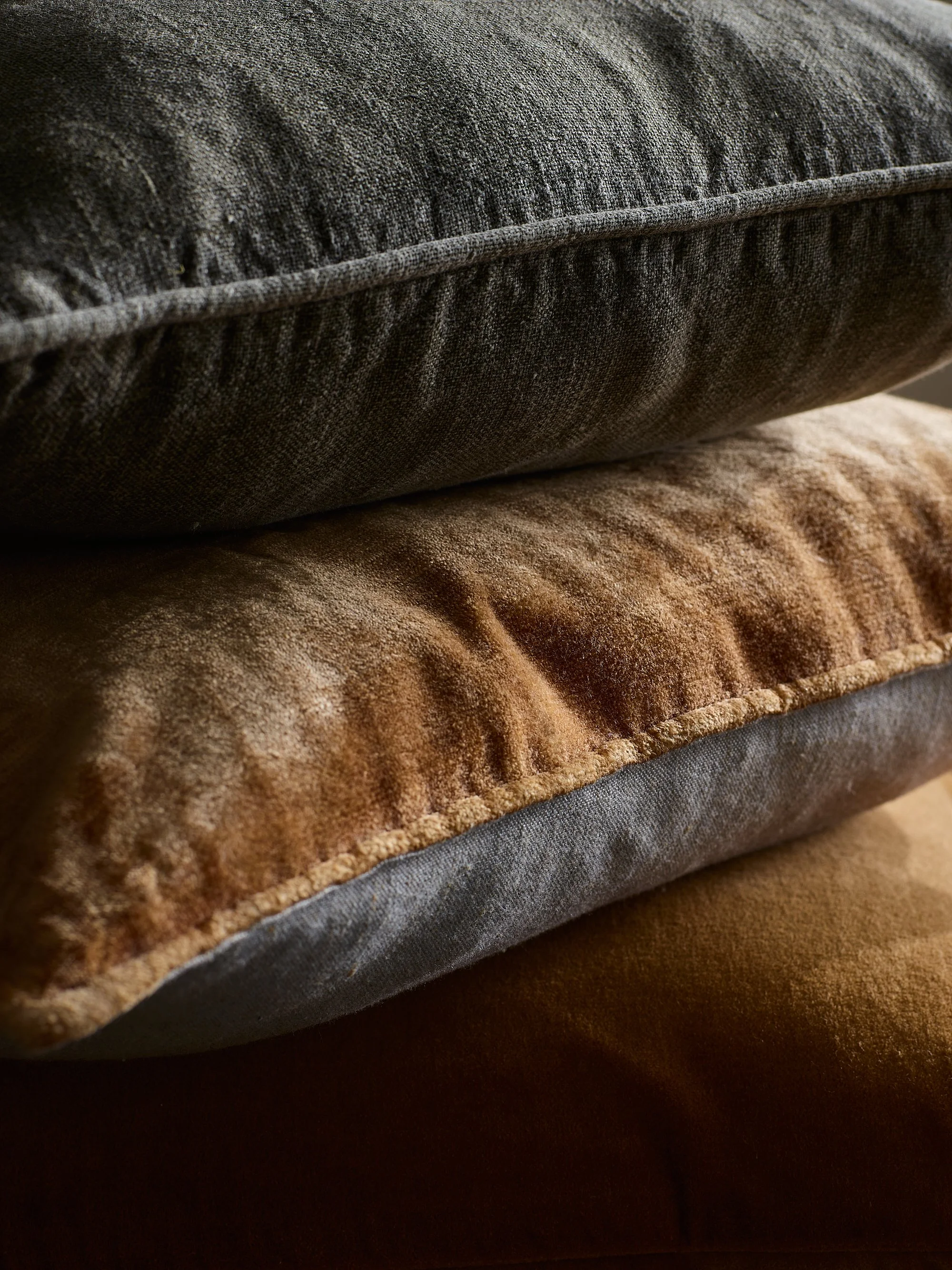
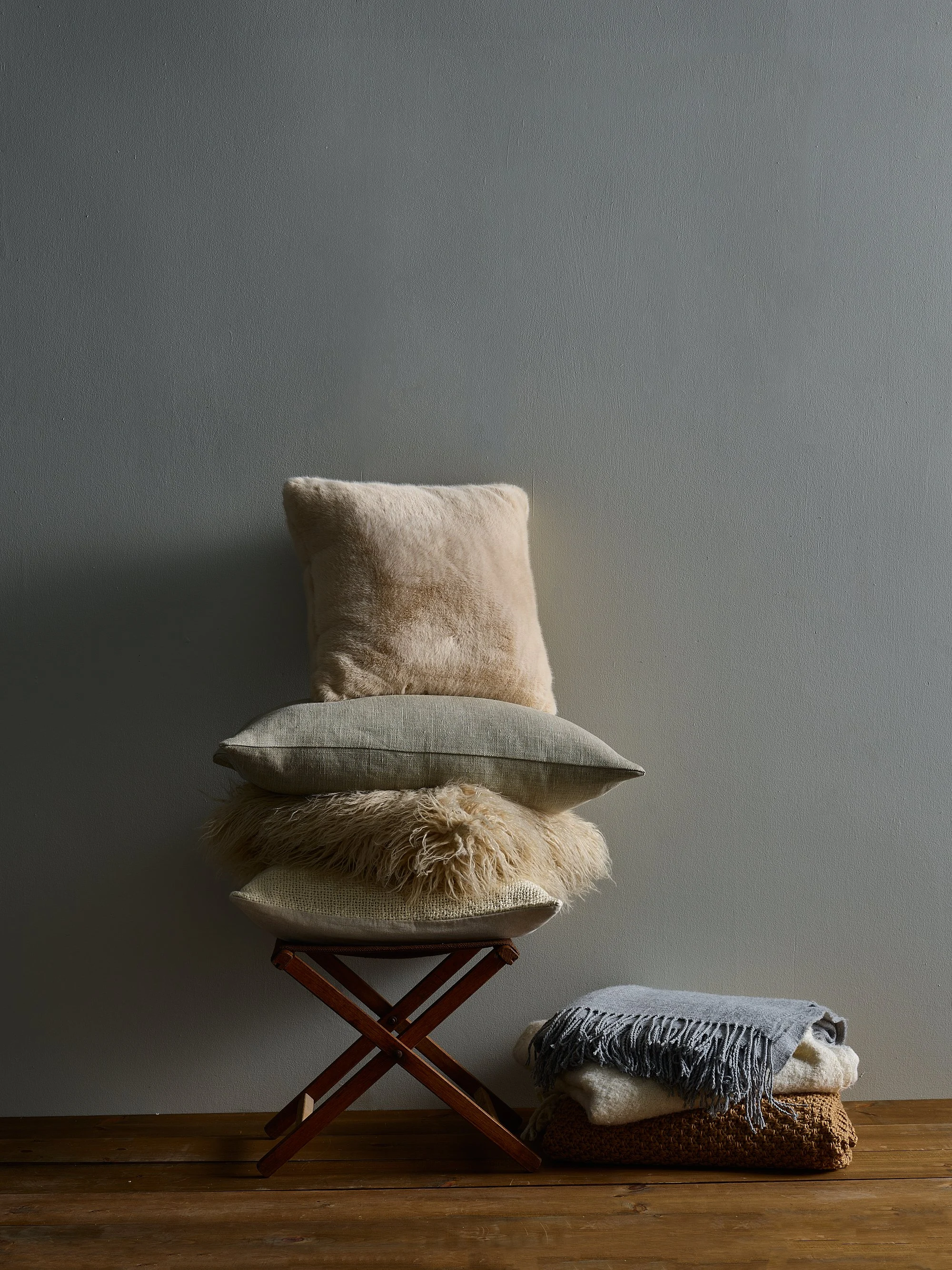
Soft Goods Styling: Creating a Fluid Look with Fabric
Soft goods styling is all about movement, drape, and intention. Whether I am styling textiles for a photoshoot, showroom, or home, the goal is to capture the natural flow of the fabric while enhancing its best qualities. Understanding how a fabric behaves—from its structure on the roll to its final styled form—is key to achieving a polished, effortless look.
Manipulating Fabric for a Fluid Look
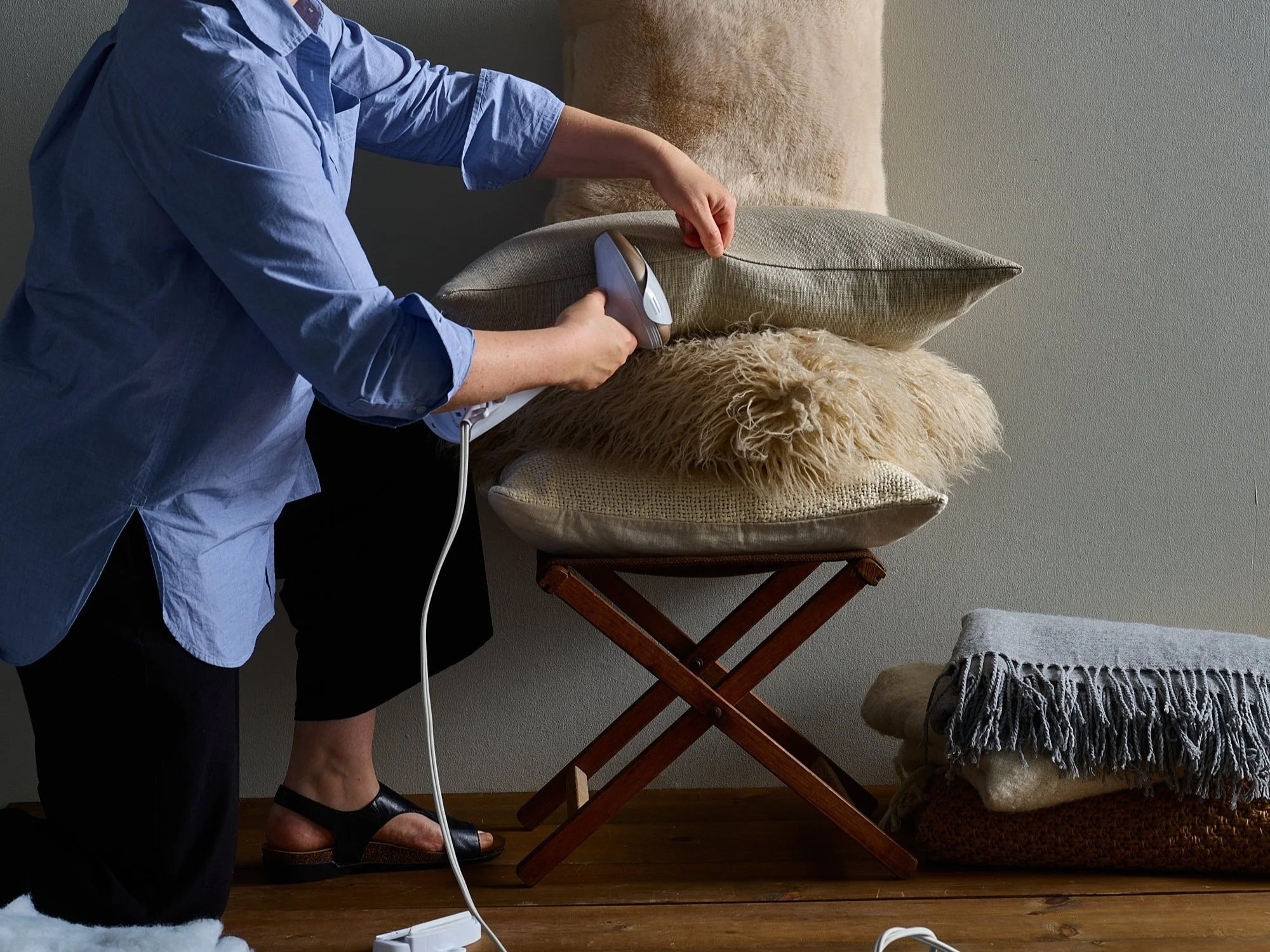
The Fabric’s Nature – Pay attention to the weight, weave, and stiffness of the material. Lightweight linens drape differently than structured velvets, so let the fabric guide your styling.
Create Intentional Movement – Instead of forcing fabric into place, use soft folds and organic puddling to enhance its natural flow. For crisp styling, structured pleats and hand-shaped waves can add refinement.
Build Layers & Depth – Mixing folds, draping, and subtle tucks creates a dimensional look that feels natural yet curated.
Tools of the Trade
Steamer – Softens wrinkles and helps fabric drape more naturally.
Regulator – A long, thin tool perfect for adjusting folds and creating precise pleats.
Double-Sided Tape – Keeps lightweight fabrics in place without visible pins.
T-Pins – Essential for securing heavier textiles while keeping them invisible in shots.
Fabric styling is all about storytelling—whether capturing the casual elegance of rumpled linen or the structured grace of a velvet curtain. By working with the fabric rather than against it, you can bring its beauty to life in an authentic, visually compelling way.